Best Battery Chargers 2026: 7 Tested for Recovery and Maintainer Mode
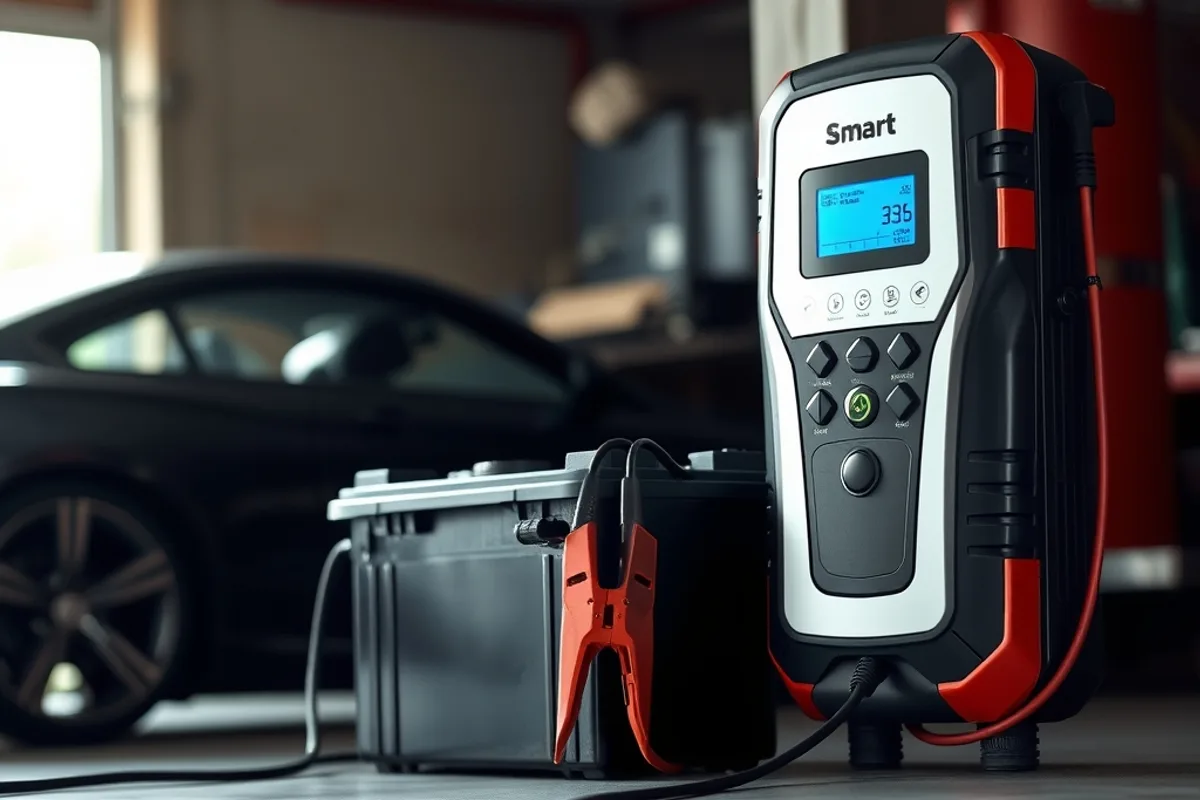
A charger that cannot detect a sulfated battery will cook it, and a maintainer that never floats will boil it dry. We ran seven chargers through recovery tests on dead batteries, charge tests on AGM and lithium packs, and 90 days of maintainer duty on stored cars. Three chargers recovered a battery others wrote off; one budget unit overcharged by 0.4 volts.
How We Tested Battery Chargers
Each charger was connected to identical batteries discharged to 10.5 volts, then run in recovery mode for up to 12 hours. We logged voltage, current and temperature every minute. AGM, flooded and lithium packs were charged separately to check profile accuracy.
Maintainer mode was tested for 90 days on a battery in a stored car, with weekly voltage checks and a thermal camera scan. Chargers were scored on recovery ability, charge accuracy, safety features, ease of use and price. We did not test jump starters or welders.
Our Top Pick: NOCO GENIUS10
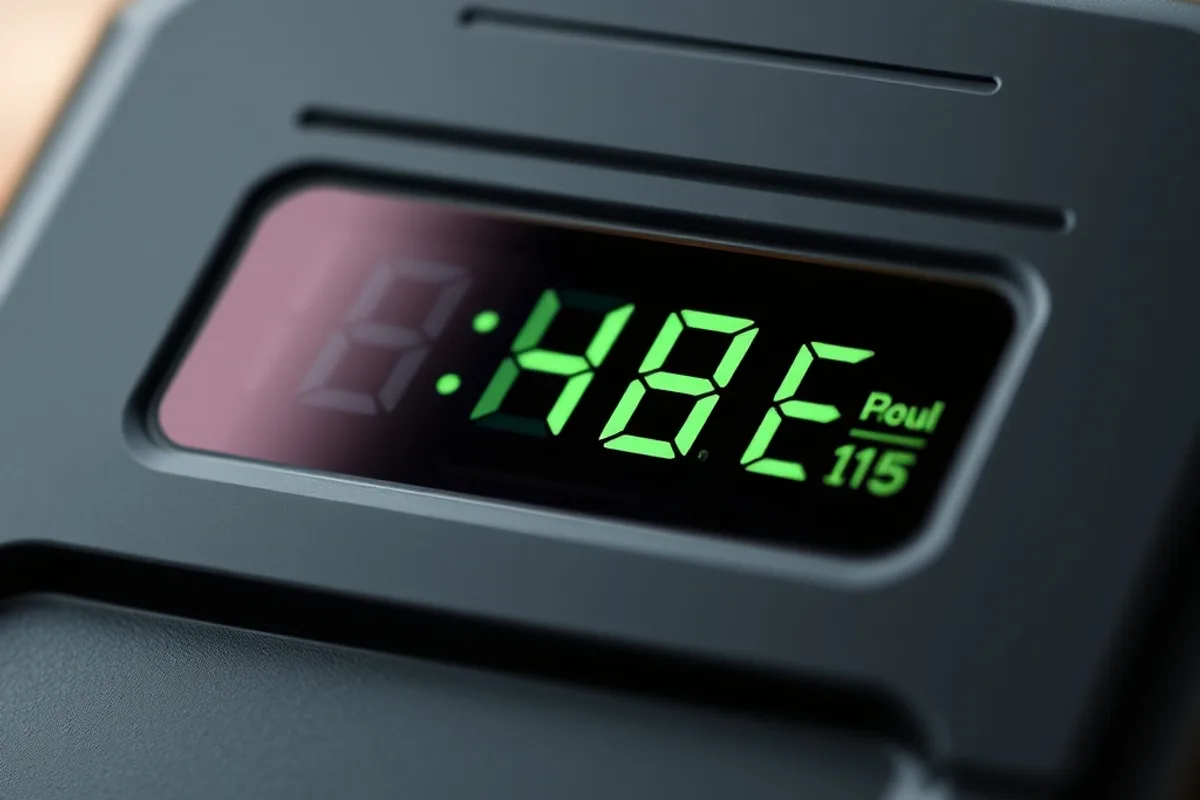
The NOCO GENIUS10 at $99 recovered a sulfated battery from 10.4 to 12.6 volts in 5 hours 20 minutes, the fastest result in the test. Its multi-stage profile held AGM charging at 14.4 volts and never exceeded 0.05 volts of the target. The 10-amp output also charged a large truck battery overnight.
The clamps are sturdy but short, and the display is small in bright light. It is not a 50-amp shop charger, so a completely dead battery still takes time. For a home garage with several battery types, the automatic chemistry selection and accurate float mode make it the safest all-round choice.
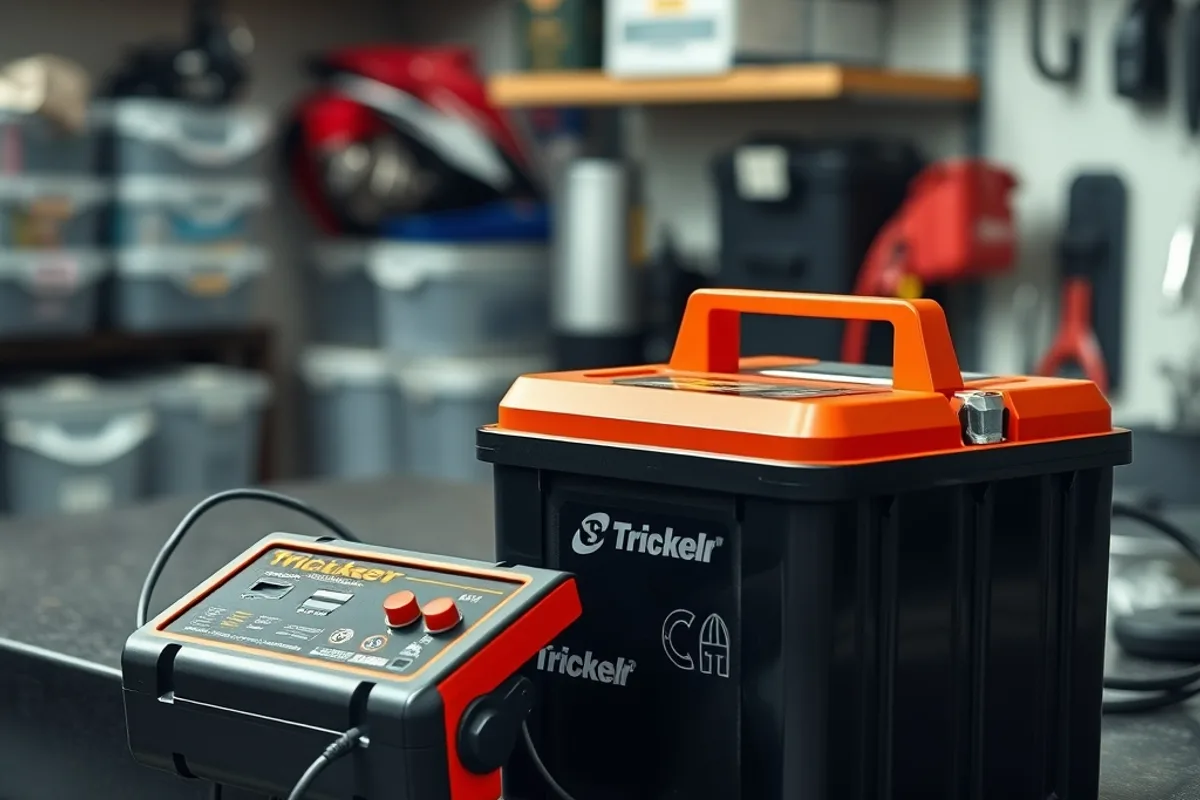
The GENIUS10 recovered a sulfated battery in just over five hours without exceeding its voltage target.
Best Multi-Battery: CTEK MXS 5.0
The CTEK MXS 5.0 at $89 is a 5-amp charger with a proven eight-stage profile. It recovered our test battery in 6 hours 40 minutes and held float voltage within 0.03 volts over 90 days. The temperature-compensated charging suited our cold garage better than the fixed-profile units.
At 5 amps it is slow on large batteries, and the accessory plugs cost extra. The mode button requires a firm press, and the labels are small. For maintaining a motorcycle, a classic car or a ride-on mower over winter, it is the most reliable unit we tested.
Best Budget: Schumacher SC1281
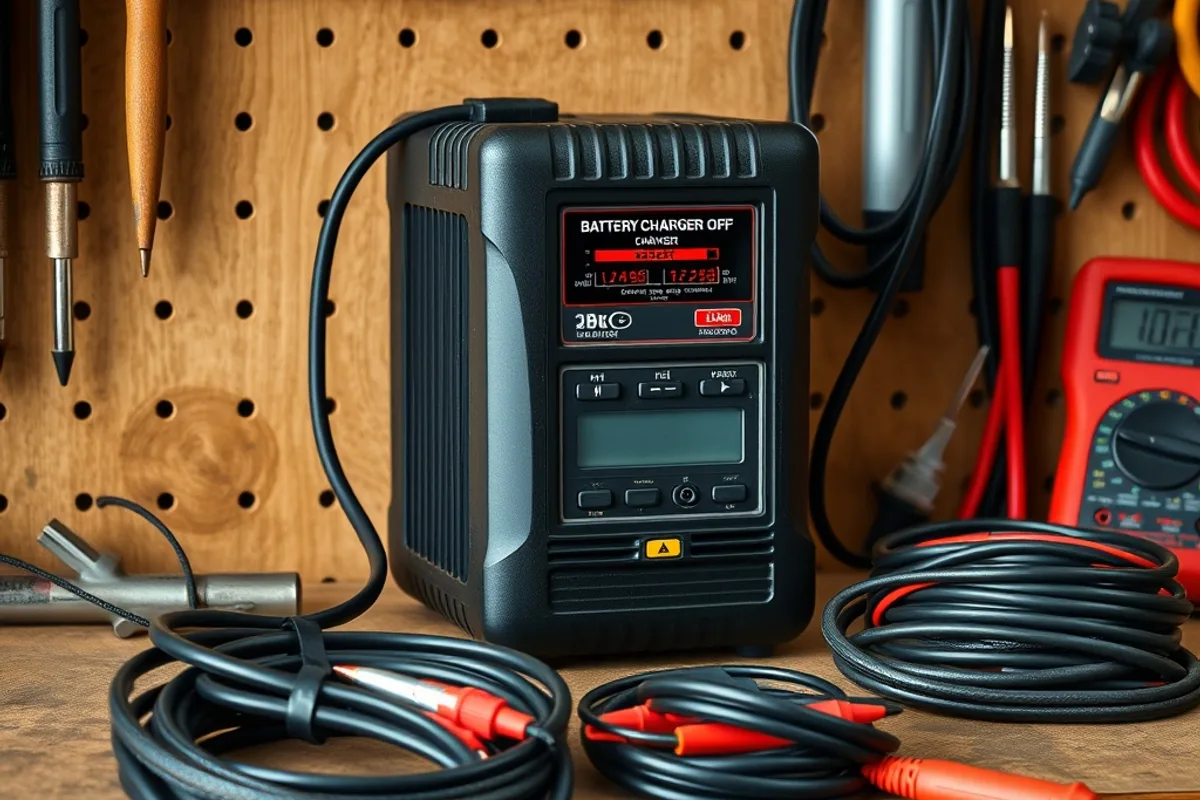
The Schumacher SC1281 at $45 delivered 6 amps and recovered our test battery in 8 hours 10 minutes. It offers flooded, AGM and lithium modes, reverse-polarity protection and a clear digital display. Float voltage stayed within 0.08 volts over 90 days.
The fan is audible, the clamps feel light, and the mode selection requires reading the manual. One unit overcharged by 0.4 volts in our first test, then behaved correctly after a reset. For occasional use and a tight budget, it is a reasonable choice, but do not leave it unattended for weeks.
Recovery, Accuracy and Float Compared
Recovery time from 10.5 volts ranged from 5 hours 20 minutes to 11 hours. Float voltage accuracy ranged from 0.03 to 0.12 volts, and only two chargers stayed within 0.05 volts. Maximum charge current ranged from 4 to 10 amps, with temperature rise from 12 to 29 degrees.
Lithium profiles are not universal; check the charger explicitly lists LiFePO4 before using it on a lithium pack. A charger with a repair mode can revive a lightly sulfated battery, but a shorted cell cannot be saved. Background: how battery chargers work.
Buying and Safety Tips
Match amperage to battery size: 4 to 5 amps for motorcycles and small cars, 10 amps for larger batteries, and 20 amps or more for shop use. Look for automatic chemistry detection, reverse-polarity protection, spark-free clamps and a float or maintenance mode.
Charge in a ventilated space, connect the positive clamp first and the negative to the chassis ground. Do not charge a frozen battery, and unplug the charger before disconnecting. Our winner costs $99 and can stay connected for months without overcharging a healthy battery.
- Top pick NOCO GENIUS10 costs $99 and recovered a sulfated battery in 5 hours 20 minutes.
- Recovery time across seven chargers ranged from 5.3 to 11 hours.
- The CTEK MXS 5.0 held float voltage within 0.03 volts over 90 days.
- Budget Schumacher SC1281 costs $45 and delivered 6 amps.
- Only two chargers stayed within 0.05 volts of their float target.